
Ensuring a Healthy Home with Mold Inspections and the Mold Testing Process

Maintaining a healthy home environment is essential for well-being and comfort. One often overlooked aspect of home health is the presence of mold. Mold can grow silently in hidden areas, causing damage to your property and posing health risks. To protect your investment and your family’s health, understanding the mold testing process and the importance of professional mold inspections is crucial.
Understanding the Mold Testing Process
The mold testing process is a systematic approach to identifying mold presence and assessing its severity in a property. It involves several steps designed to detect mold growth, even when it is not visible to the naked eye.
First, a thorough visual inspection is conducted. This step includes checking common mold-prone areas such as basements, bathrooms, kitchens, and around windows. Inspectors look for signs of moisture, water damage, and visible mold colonies.
Next, air and surface samples are collected. Air samples help detect airborne mold spores, while surface samples identify mold species growing on walls, floors, or other surfaces. These samples are sent to a laboratory for analysis to determine the type and concentration of mold present.
Finally, the inspector compiles a detailed report outlining the findings. This report includes recommendations for remediation if mold is detected. The mold testing process is essential for making informed decisions about property maintenance and health safety.
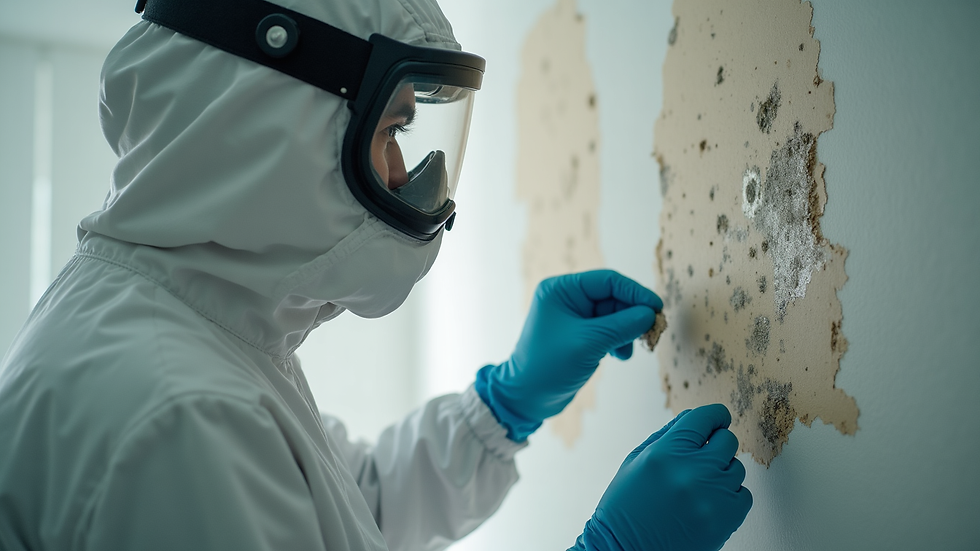
Why Mold Inspections Are Essential for Your Property
Mold inspections play a vital role in maintaining a safe and healthy living environment. Mold thrives in damp, poorly ventilated areas and can cause structural damage over time. More importantly, mold exposure can lead to health problems such as allergies, respiratory issues, and in some cases, more severe toxic reactions.
A professional mold inspection helps identify hidden mold problems before they escalate. Early detection allows for timely remediation, preventing costly repairs and health complications. Mold inspections also provide peace of mind when buying or selling a property, ensuring that the space is safe and free from mold-related issues.
By investing in regular mold inspections, you protect your property’s value and create a healthier environment for occupants. This proactive approach is especially important in regions prone to humidity and water damage.
What are the 10 Warning Signs of Mold Toxicity?
Recognizing the warning signs of mold toxicity can help you act quickly to address potential mold problems in your home. Here are ten common symptoms associated with mold exposure:
Persistent coughing or sneezing
Nasal congestion or sinus infections
Throat irritation or hoarseness
Eye irritation, redness, or watery eyes
Skin rashes or unexplained itching
Headaches or migraines
Fatigue or weakness
Difficulty concentrating or memory problems
Increased asthma attacks or breathing difficulties
10. Unexplained dizziness or nausea
If you or your family members experience these symptoms, especially when spending time indoors, it may indicate mold toxicity. In such cases, scheduling a professional mold inspection is a critical step toward identifying and resolving the issue.

Practical Steps to Prevent Mold Growth in Your Home
Preventing mold growth starts with controlling moisture. Mold needs moisture to thrive, so managing humidity and water intrusion is key. Here are practical steps to reduce mold risk:
Fix leaks promptly: Repair leaking pipes, roofs, and windows immediately to prevent water accumulation.
Improve ventilation: Use exhaust fans in bathrooms and kitchens to reduce humidity. Open windows when weather permits.
Use dehumidifiers: In humid climates or damp areas like basements, dehumidifiers help maintain optimal moisture levels.
Clean and dry wet areas: After spills or flooding, dry affected areas within 24-48 hours to prevent mold growth.
Monitor indoor humidity: Keep indoor humidity between 30% and 50% using a hygrometer.
Maintain gutters and drainage: Ensure water flows away from your home’s foundation to avoid seepage.
Regular maintenance and vigilance are essential. Even small moisture problems can lead to mold if left unchecked.
How to Choose a Reliable Mold Inspection Service
Selecting a trustworthy mold inspection service is crucial for accurate results and effective solutions. Here are factors to consider when choosing a provider:
Certification and training: Ensure inspectors have proper certifications and training in mold detection and testing.
Experience: Look for companies with a proven track record in residential and commercial mold inspections.
Comprehensive testing: The service should include visual inspections, air and surface sampling, and detailed reporting.
Clear communication: Inspectors should explain findings clearly and provide actionable recommendations.
Local knowledge: Choose a company familiar with the climate and common mold issues in your area.
A reliable inspection service helps you make informed decisions about your property’s health and safety.
Taking Action After Mold Detection
If mold is detected during the inspection, prompt action is necessary. The remediation process typically involves:
Identifying and fixing moisture sources: Without addressing the root cause, mold will return.
Containment: Isolating the affected area to prevent mold spores from spreading during cleanup.
Removal: Cleaning or removing mold-infested materials such as drywall, insulation, or carpeting.
Cleaning and disinfecting: Using specialized products to eliminate mold spores from surfaces.
Post-remediation testing: Verifying that mold levels have returned to safe limits.
Hiring professional remediation specialists is recommended for extensive mold problems. DIY methods may not fully resolve the issue and can expose you to health risks.
Protecting Your Investment with Regular Mold Inspections
Regular mold inspections are an investment in your property’s longevity and your family’s health. Whether you are buying, selling, or maintaining a home or commercial property, scheduling periodic inspections helps catch mold problems early.
By understanding the mold testing process and recognizing the signs of mold toxicity, you can take proactive steps to maintain a safe environment. Remember, professional mold inspections provide the expertise and thoroughness needed to protect your property effectively.
Taking these measures ensures your home remains a healthy place to live and a sound investment for the future.


Comments